Weather, month by month
Tenerife is called the island of eternal spring, and in the south that is close to true. The north is greener, cooler and cloudier. Figures below are typical daytime values for the south (Costa Adeje area); the north is usually 2-4 degrees cooler.
| Month | Day (south) | Sea | Rain | What it feels like |
|---|---|---|---|---|
| January | 20-21°C | 19°C | 4-5 days | Warm days, cool evenings - bring a jumper |
| February | 20-21°C | 19°C | 4-5 days | Similar to January; carnival season |
| March | 21-22°C | 19°C | 3-4 days | Lovely; calima dust possible |
| April | 22-23°C | 19°C | 2-3 days | One of the best months |
| May | 23-24°C | 20°C | 1-2 days | Sunny and calm, quieter before summer |
| June | 25-26°C | 21°C | rare | Proper summer begins |
| July | 27-28°C | 22°C | rare | Hot and dry; book shade by the pool |
| August | 28-29°C | 23°C | rare | Hottest month, busiest too |
| September | 27-28°C | 23-24°C | 1 day | Warm sea, fewer families - a favourite |
| October | 25-26°C | 23°C | 2-3 days | Still beach weather; odd shower |
| November | 23-24°C | 22°C | 4-5 days | Good value; evenings cool down |
| December | 21-22°C | 20°C | 5 days | Christmas in the sun, busiest winter week |
North vs south
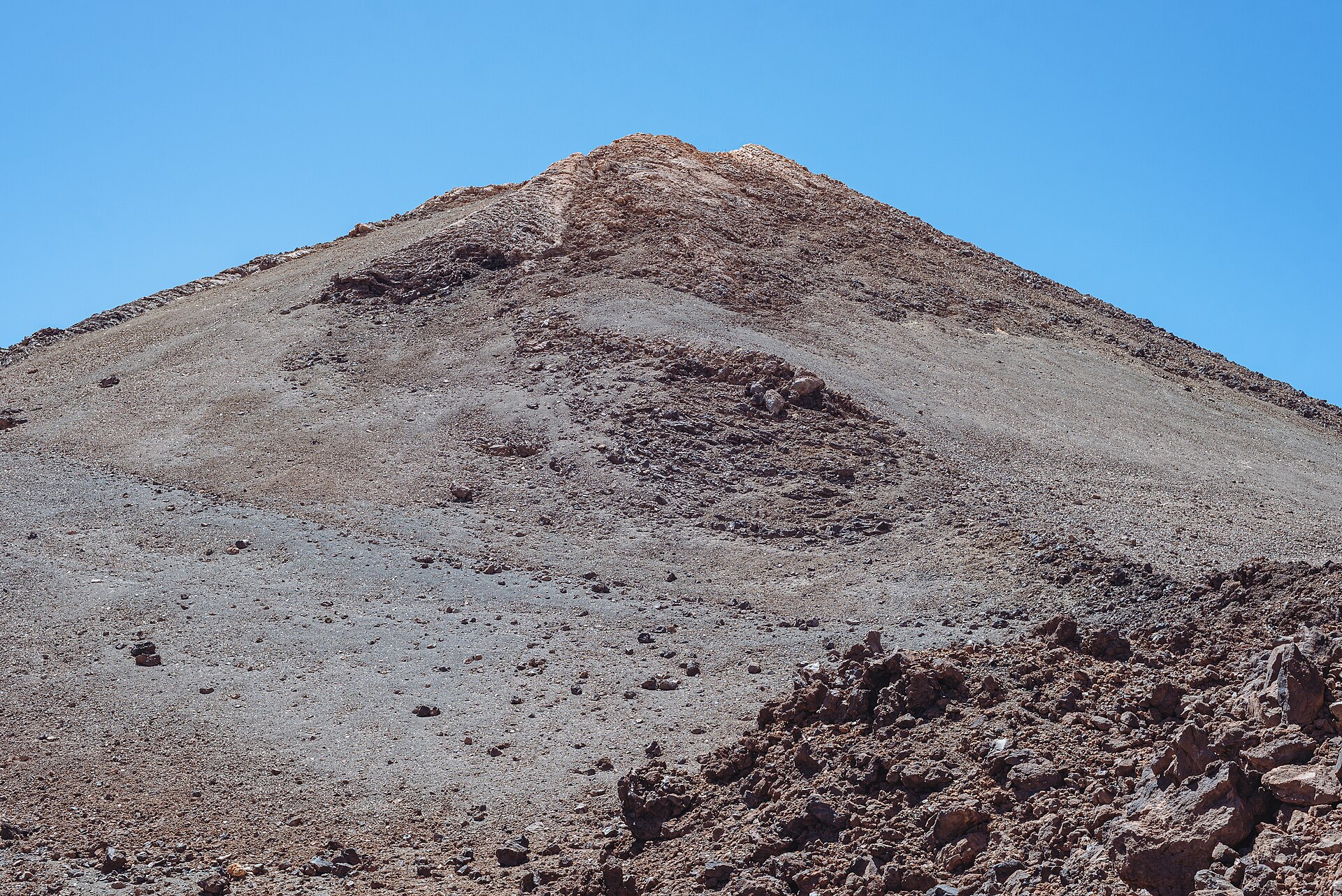
The Teide massif splits the island's climate. South of it (Costa Adeje, Los Cristianos, Playa de las Americas) is dry and sunny almost year-round. The north (Puerto de la Cruz, La Orotava) gets more cloud and rain, which is why it is green. You can drive between the two in about an hour.
Calima
A few times a year, hot dust blows over from the Sahara. Temperatures jump, the sky goes hazy and it can feel like a hairdryer. It usually passes in 1-3 days. Drink more water than usual and skip the hike.
When to go
There is no bad month. For value and weather together, we rate late April to June and late September to early December. School holidays and Christmas are the priciest weeks.